NOTE: All native birds are protected by state and federal laws and it is illegal for the public to possess these creatures. It is imperative that any injured or orphaned birds be brought to a permitted wildlife rehabilitator so that they can get proper care.
BABY BIRDS
Many baby birds are unnecessarily “rescued”. It is important to make the correct determination. We do not want to “kidnap” healthy young birds, and we do not want to ignore baby birds that do need rescuing.
When to Rescue
- If the baby has very few feathers and is mostly “skin”, it is a nestling. These birds cannot hop and cannot be left on the ground. Pick it up immediately.
- If the baby is injured or has flies or fly eggs on it
- If the baby has been caught by a dog or cat
- If the baby is healthy but you cannot locate the nest or cannot reach it, make an artificial nest, affix it to a high branch close to where the baby was found, and place the baby inside. Observe for an hour. If the parents don’t return, call a rehabilitator.
MYTH vs FACT
MYTH: Parent birds will reject their baby if you touch it. Not true.
FACT: Parent birds are unable to pick up their young to return it to the nest. It is okay for humans to return healthy babies to the nest.
When NOT to Rescue
- If the bird is healthy and actively hopping around, it is a fledgling and doesn’t need your help.
- Can’t tell if it’s a fledgling or nestling? Try this test: place the bird in a shoebox with NO lid. If the bird easily hops out of the box then it is a healthy fledge and should be left alone.
Some species of birds leave the nest before they can fly. These include mockingbirds and blue jays. These are the two most “kidnapped” birds. If you have found a young blue jay or mockingbird that is NOT injured and is actively hopping around, it does not need rescuing. You can move the bird a short distance to a safer place if necessary. For example, out of a fenced backyard with dogs or out of a road.
Did you know…
Parents of fledglings continue to feed their babies on the ground and in the bushes. It will take several hours to a few days for the fledgling to learn to fly. During this time, bring your cat or dog indoors.
How to Rescue
If you have determined that the baby needs rescuing, whether a nestling or injured fledgling, here’s what to do:
- Line a small box or container with paper towels or tissues.
- Place the baby inside and cover it, ensuring the box is breathable.
- Place the box in a warm area away from pets and children. You may place the box on a heating pad set on LOW.
- DO NOT give the bird any food or water. Baby birds will aspirate if you attempt to drip water in its mouth.
- When it is necessary to rescue a baby bird, call a rehabilitator immediately. Time is crucial. If you’re in our service area, then call GCWR. Non-locals will need to find a rehabber in their area.
ADULT BIRDS
If you come across an adult bird that can be captured, it NEEDS to be rescued. Be careful because some birds have sharp beaks and talons.
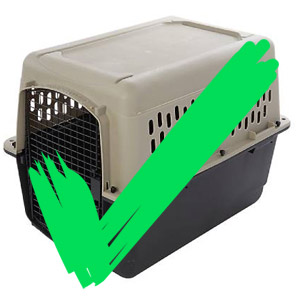
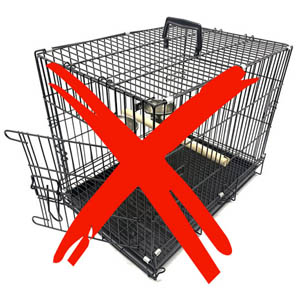
- Prepare a container. Place newspaper or paper towels in the bottom of a cardboard box or cat/dog carrier with a lid. If it doesn’t have air holes, make some. Ideally, use a container close to the size of the bird to prevent it from flailing and injuring itself further. DO NOT put birds into wire cages as this can cause severe feather damage.
- Wear gloves. It’s best to protect yourself from beaks and claws.
- Place bird into container. For larger birds such as a hawks, owls, or herons, use a large towel or broom to gently push the bird into a box or kennel. If using a cardboard box, make sure the top is closed securely or taped shut.
- Provide warmth if cold. If the environment is cold or the animal is chilled, put one end of the animal’s container on a heating pad and set to LOW. (A chilled bird may shiver, act lethargic, fluff up its feathers, or bury its beak into its chest.)
- Note exactly where you found the bird. This will be very important for release.
- Keep the bird in a warm, dark, quiet place. Don’t give the bird food or water. Leave the bird alone; don’t handle or keep peeking at it. Keep children and pets away.
- Contact a wildlife rehabilitator. Don’t keep the bird at your home longer than necessary. Keep the bird in a container; don’t let it loose in your house or car. If you’re in our service area, then call GCWR. Non-locals will need to find a rehabber in their area.
- Wash your hands after contact with the bird. Wash anything the bird was in contact with (towel, jacket, blanket, pet carrier) to prevent the spread of any disease or parasites to you or your pets.
Remember, it’s against the law in most states to keep wild animals if you do not have permits, even if you plan to release them.

